When water freezes it expands, and a closed section of pipe has nowhere to give. That pressure is what splits a line, often well away from the ice itself. The American Red Cross and Canadian plumbing sources agree on the same priorities: know which pipes are exposed, keep them warm, deal with outdoor taps before the first hard freeze, and keep water moving when a cold snap hits.

Which pipes freeze first
The Red Cross lists the same vulnerable spots that show up in Canadian homes: lines exposed to severe cold such as outdoor hose bibs and supply lines, pipes in unheated interior areas like basements, crawl spaces, attics, and garages, and pipes running against poorly insulated exterior walls. Those are the lengths to find before winter, because they are where a split usually starts.
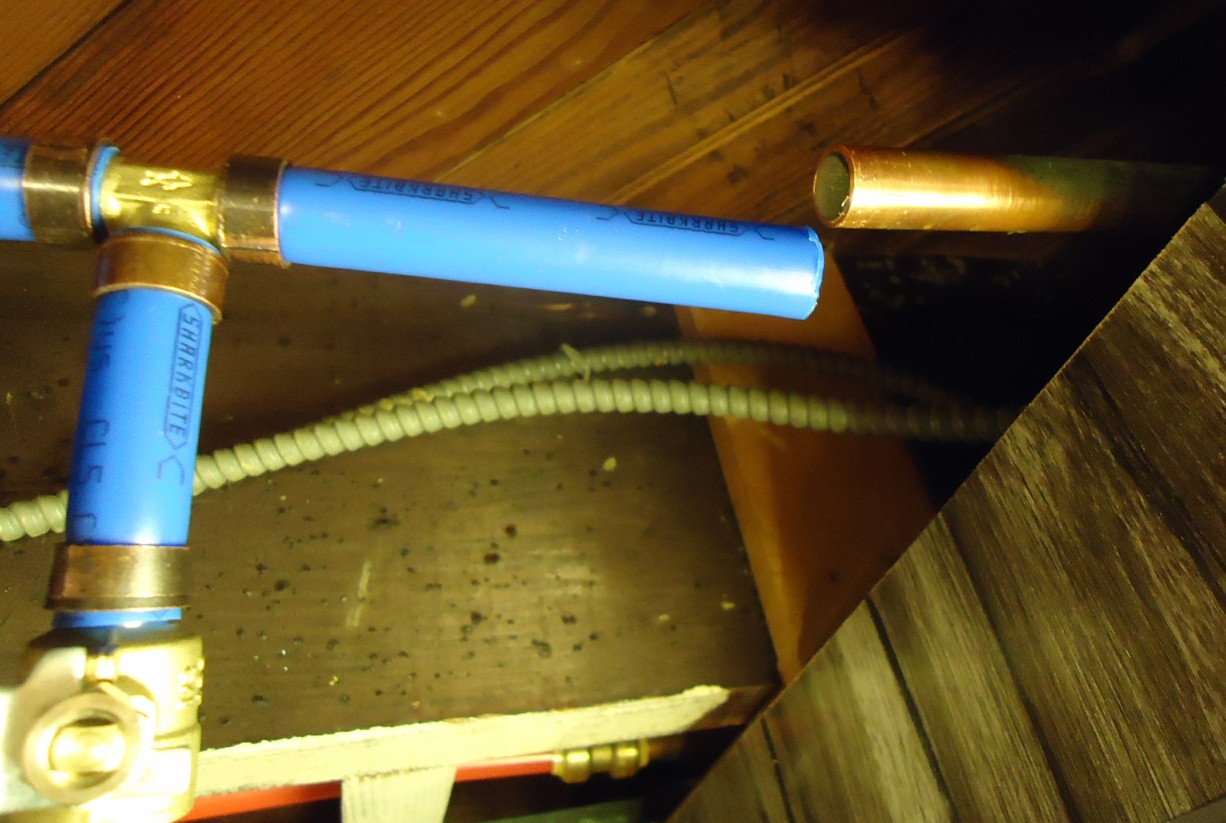
1. Insulate the exposed lines
Foam pipe sleeves are the simplest option and slide straight over the pipe; fibreglass wrap works where sleeves do not fit. Cover both hot and cold lines, since cold-water pipes can freeze first. For runs that cannot easily be insulated, self-regulating electric heat cable adds active protection. Canadian guidance notes that such cables should carry a recognized safety certification, such as a CSA mark, and be installed to the manufacturer's instructions.
2. Shut down outdoor taps
A connected hose traps water that can freeze and push back into the wall, so this step comes before the first hard freeze.
- Disconnect every garden hose, drain it, and store it indoors.
- Close the indoor shut-off valve that feeds each outdoor tap.
- Open the outdoor tap and leave it open so any water left in the line can expand without splitting the pipe.
- If you do not have frost-free hose bibs, an insulated faucet cover adds a margin on the most exposed taps.

3. Keep heat steady
A consistent indoor temperature is one of the most reliable defences. Canadian plumbing guidance and the Insurance Bureau of Canada point to keeping the heat on rather than turning it off, including while away, and not dropping it sharply overnight when cold snaps tend to hit. Opening the cabinet doors under kitchen and bathroom sinks lets warm room air reach the supply lines behind them.
State and provincial guidance, including the Insurance Bureau of Canada, notes that most property policies expect a home to be kept heated and reasonably maintained. A claim for burst-pipe damage can be questioned if it appears those basic steps were skipped, so the maintenance and the coverage are linked.
4. During a deep-freeze warning
When an extreme-cold warning lands, let the cold tap served by the most exposed pipe run at a slow, steady drip. Moving water is much harder to freeze than standing water, and the open faucet also relieves pressure if ice does start to form.
If a pipe does freeze
A faucet that gives only a trickle is the usual sign, and the freeze is often near an exterior wall or where the line enters through the foundation. Keep that faucet open so melting ice can drain, and warm the pipe gently with a hair dryer or a portable heater. Every source is firm on one point: never use an open flame such as a blowtorch or propane heater. If you cannot reach the spot or water does not return, shut the main valve and call a licensed plumber.
Sources