Windows are usually the first place a home loses heat in winter. The glass itself matters, but in older Canadian housing stock the bigger losses are often air leaks around the sash and frame. Natural Resources Canada's Keeping the Heat In guide treats caulking, weatherstripping, and window upgrades as core retrofits for the heating season, and the sequence below follows that order: find the leaks first, seal what you can, then decide whether glass needs attention.
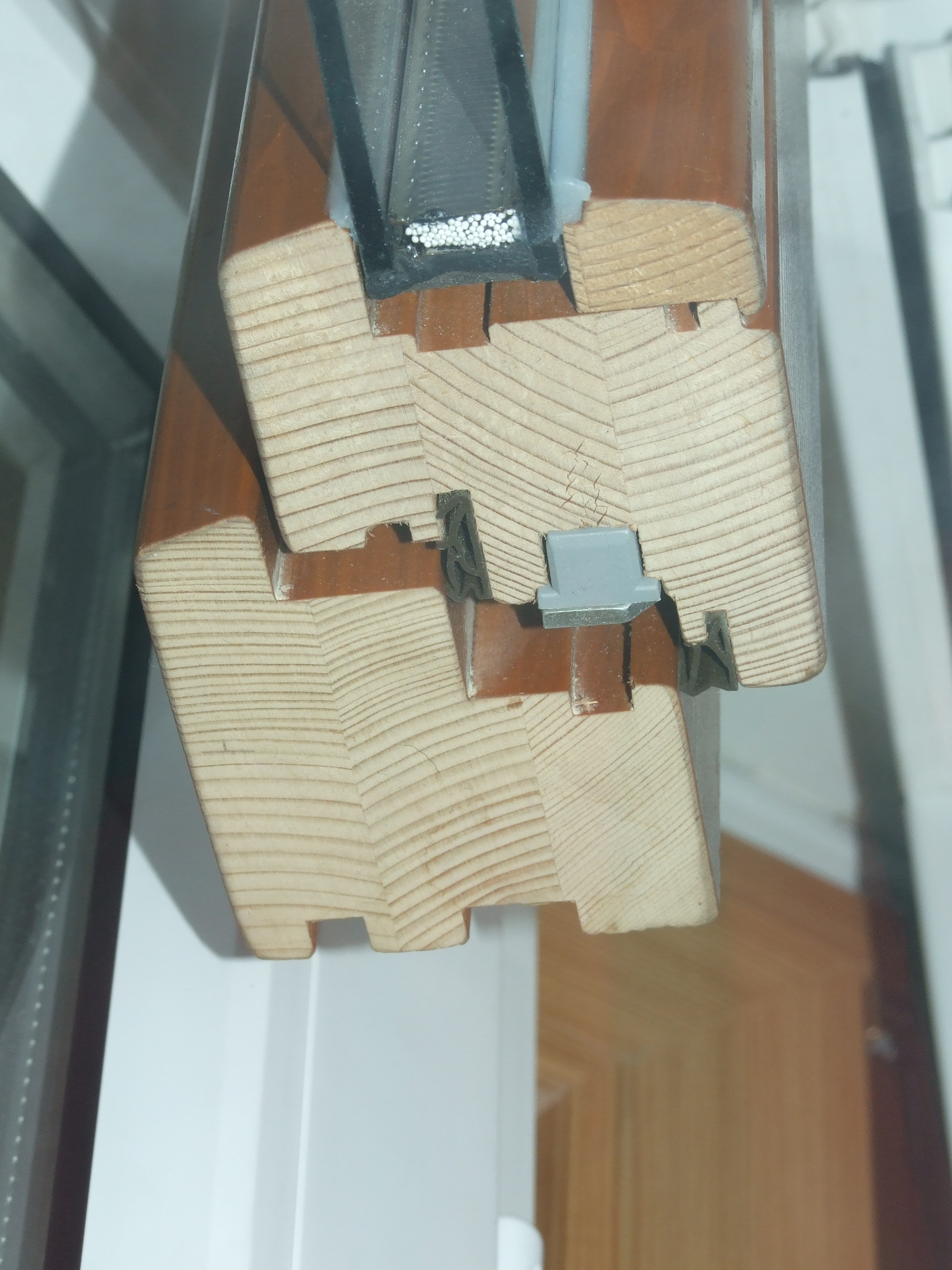
1. Find the drafts
Pick a cold, windy day and run the back of your hand slowly around each window's edges: the meeting rail where two sashes overlap, the bottom where the sash sits on the sill, and the joint between the frame and the wall. Moving air is easy to feel there. A common low-tech check is to hold a lit match or incense stick near the edges and watch whether the smoke pulls sideways.
Where leaks tend to hide
- The gap under a sliding or double-hung sash that no longer seats tightly.
- The seam between the window frame and the surrounding drywall or trim.
- Old or missing weatherstripping that has gone hard and cracked.
- Failed caulk on the exterior side, which lets water and cold air behind the frame.
2. Seal the moving-air leaks
There are two different jobs here, and mixing them up is the usual mistake.
Weatherstripping for parts that move
Sashes that open need a flexible seal so they can still close. Self-adhesive foam tape or V-strip works on the contact edges of double-hung and casement windows. The point is a compressible barrier that the moving sash presses against.
Caulk for parts that do not move
The joint between the frame and the wall does not move, so it gets caulk, not weatherstrip. Clear out old, cracked caulk first, then lay a continuous bead along the seam.
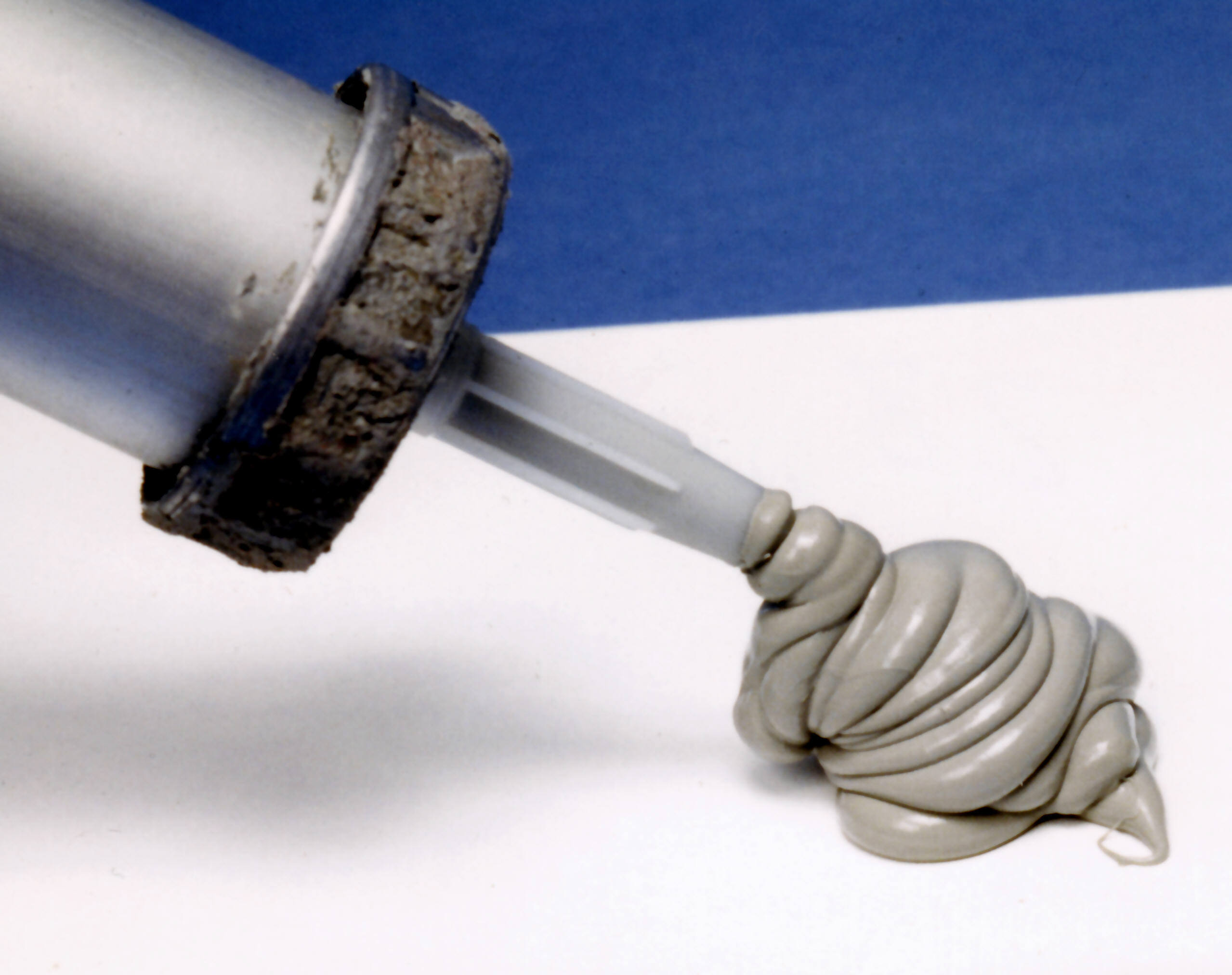
Caulk and weatherstripping have a temperature range printed on the package. Many products will not cure or stick well once it is near or below freezing, so this is a fall job, not a January one.
3. Decide what to do about the glass
If a window is sealed but still feels cold and collects condensation, the glass itself is the weak point. Two routes are common, with very different cost and permanence.
Interior film kits
A shrink-film kit creates a still pocket of air over the window. It is inexpensive, reversible in spring, and well suited to a rented unit or a room you do not want to renovate. It does change how the window looks and cannot be opened until removed.
Frame or unit upgrades
Replacing a single-pane or failed double-pane unit with insulated glazing is the durable fix and the one Keeping the Heat In frames as part of a whole-home approach. It is a larger project, often involving a contractor, and may need a permit depending on the municipality.
A note on condensation
Some interior condensation in winter is about indoor humidity, not just the window. If sealing helps the draft but moisture still pools on the glass, lowering humidity sources and improving ventilation is the next thing to look at rather than more sealing.
Sources