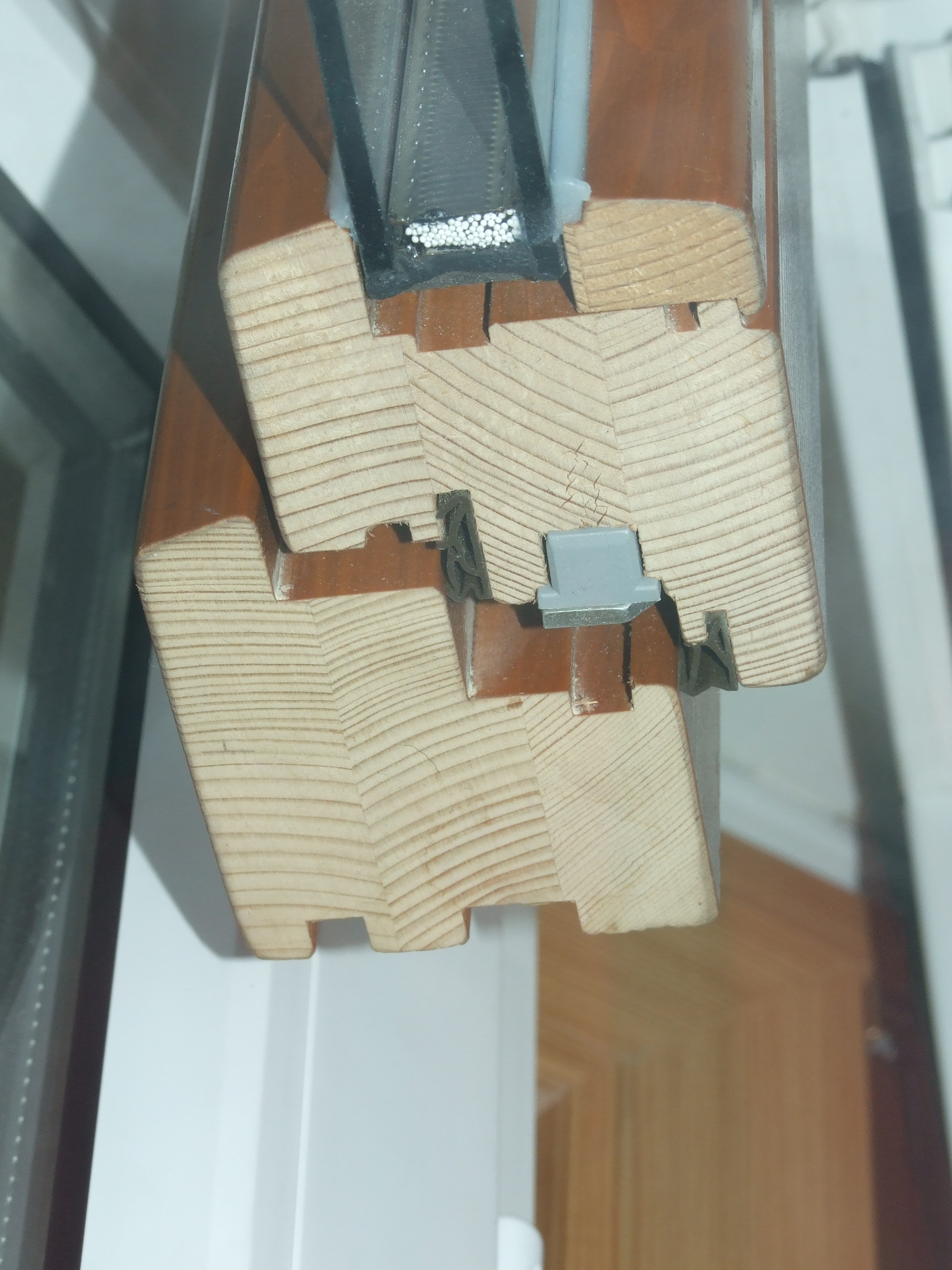
Windows
Finding drafts, weatherstripping sashes, and deciding when a film kit is enough versus a frame repair.
Windows →Cold seasons in much of Canada run long, and the same three weak points come up every year: drafty windows, freeze-prone water lines, and outdoor spaces that ice over. These notes break each one down.

Most cold-weather home damage traces back to heat escaping, water sitting where it can freeze, or surfaces no one cleared. Each topic below covers what to look at and the order to do it in.
Finding drafts, weatherstripping sashes, and deciding when a film kit is enough versus a frame repair.
Windows →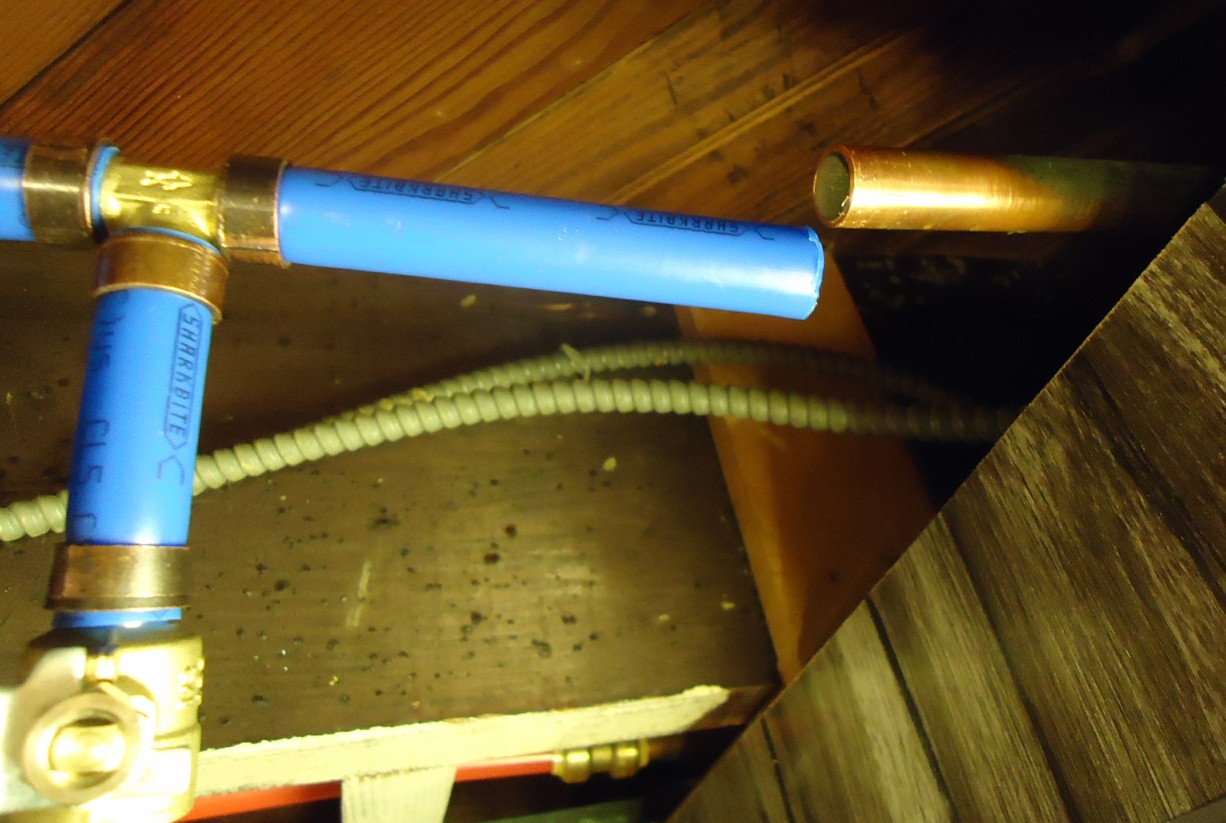
Insulating exposed lines, shutting and draining outdoor taps, and what to do during a deep-freeze warning.
Pipes →
Storing hoses and furniture, clearing roof and gutter loads, and keeping walkways and drains usable.
Outdoor spaces →Sealing air leaks around windows and doors keeps interior walls and the pipes inside them warmer, which lowers the freezing risk before any pipe insulation goes on. Draining outdoor taps comes next, because a connected hose can trap water that freezes back into the wall. Clearing outdoor spaces is last but recurring through the season.
The Insurance Bureau of Canada and emergency-preparedness sources note that keeping a home heated and taking reasonable maintenance steps is also what most property policies expect before they respond to frozen-pipe damage.
Questions about a note on this site are welcome. This form runs entirely in your browser for a static reference site, so nothing is transmitted or stored on a server.